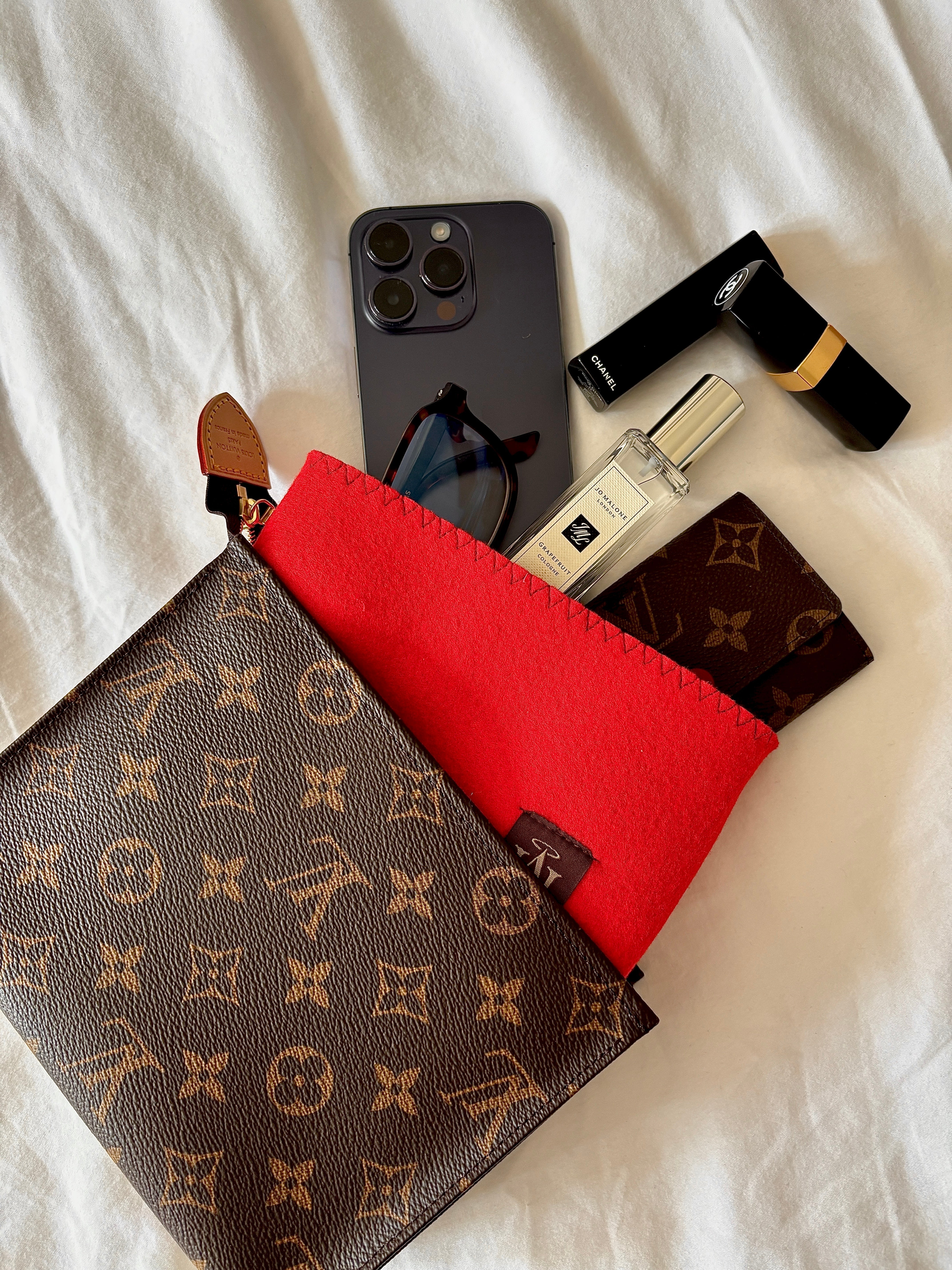


A Guide To Inner Bags For Collectible Handbags
Vintage and designer handbags are collectible items these days - they’re even an investment option. All of this means it’s essential to care for these bags well, and selecting the right inner bag is essential, too. A high-quality handbag liner not only safeguards your bags and the valuables inside them from physical damage but also ensures that the bags remain in pristine condition over time. For collectors, luxury handbag owners, and anyone storing delicate items, finding and using the right protective solution can make a world of difference.
In this guide, we’ll explore what to look for in a quality inner bag for a collectible item, including material types, protective features, sizing options, and best practices for care. We’ll also touch on handbag liners and customisation options to ensure your valuable items are both secure and beautifully presented.
Why Collectible Handbags Need a High-Quality Inner Bag
Collectible bags, especially luxury or vintage handbags, require more than standard storage. Without proper protection, they can suffer from scratches, environmental damage, or structural deformation. A well-chosen inner bag or handbag liner provides:
-
Structure support: A liner can help to maintain the shape of delicate bags and prevent issues like sagging.
-
Protection from dust and moisture: A liner helps to keep surfaces clean and free from stains.
-
Ease of organisation: Liners can also separate and compartmentalise items for easy accessibility without compromising safety.
By investing in a high-quality liner, you protect both the physical integrity and long-term value of your collectibles.
The Best Materials for Handbag Liners
When it comes to handbag liners, the choice of material isn’t just a question of durability. It directly affects how your bag is supported, protected, and preserved.
Here are the materials that actually make sense for handbags:
Felt
Felt is one of the most popular choices for a reason. It’s soft, structured, and supportive without being abrasive.
-
It provides excellent shape retention
-
It’s gentle on leather interiors
-
It adds cushioning without bulk
Cotton and Canvas
These are breathable and lightweight options, ideal for more delicate or vintage bags.
-
They allow airflow to prevent trapped moisture
-
They’re soft enough for sensitive linings
-
They work well for occasional use or rotation pieces
Microfibre or Suede-Like Materials
These add a more premium touch while still being practical.
-
The smooth surface reduces friction
-
They help to prevent scratches inside the bag
-
They’re often ideal for high-end or delicate interiors
The key here is balance. You want a material firm enough to support the bag, but soft enough to avoid damaging it.
Protective Features That Actually Matter for Handbags
Not all “protective” features are relevant when it comes to handbags, so it’s important to focus on what genuinely helps preserve them.
Look for:
-
Structured base support
A reinforced bottom panel helps maintain the bag’s shape and prevents sagging -
Soft edges and seams
These prevent rubbing against corners and interior stitching -
Lightweight construction
This adds structure without putting extra strain on handles or hardware -
Stain-resistant fabric
Using these helps protect against spills inside the bag
Rather than overloading on technical features, the goal is simple: protect the bag’s shape and interior without introducing new risks.
How to Choose the Right Size Inner Bag for Your Handbag
When it comes to handbag liners, sizing isn’t just about fit; it’s also about preservation.
A liner that’s too small won’t properly support the structure of the bag, leaving areas like the base and corners vulnerable to sagging. On the other hand, a liner that’s too large can stretch the interior, distort the silhouette, and put unnecessary pressure on seams and stitching.
The ‘golden rule’ is this: the liner should support the handbag’s natural shape without forcing it to change.
Step-by-Step Sizing Guide
-
Measure the interior of your handbag
Focus on the internal width, height, and base depth. This ensures the liner supports the actual structure, not just the outer dimensions -
Choose a liner that’s slightly smaller (around 1–2 cm less on each side)
This allows the organiser to sit neatly inside the bag without pushing against the leather or fabric, which helps maintain the original silhouette -
Check how the liner sits when inserted
It should lie flat against the base and sides, with no bulging, gaps, or resistance when placing it inside -
Consider the bag’s shape and structure
Structured bags benefit from firmer, more precise fits, while softer bags may need slightly more flexible liners to avoid over-rigidity
Recommended Sizing for Medium to Large Handbags
As a general guide, most medium to large handbags fall within the following ranges:
-
Width: 25–35 cm
-
Height: 15–25 cm
-
Depth: 10–15 cm
These dimensions help ensure that the liner supports the base and side panels evenly, which is key to maintaining the bag’s shape over time. When your belongings are distributed across a well-fitted liner, it reduces stress on the handles, prevents corner collapse, and keeps the base from dipping or warping.
In short, the right size liner doesn’t just “fit” your bag, it helps your bag hold its form, use after use.
Customisation Options
Many manufacturers now offer custom-fit inner bags tailored to your specific collectibles or handbag interiors.
The benefits of these bespoke options include:
-
A better fit for unique items: In turn this reduces movement of the liner itself (and potential damage to the bag as a result of that movement).
-
Enhanced protection: Customised compartments and padded sections provide extra safety for valuable items such as phones.
-
Aesthetic appeal: Options for colours, stitching, or monogramming add a personal touch, allowing you to make the bag uniquely yours, without the need for any permanent alteration.
Preserving Your Handbags: Best Practices
Even the highest-quality liner can’t do all the work on its own. How you store and care for your handbag plays a huge role in keeping it looking and performing its best over time.
Smart Storage Techniques
-
Use protective liners inside the bag
Keep the liner in place to support the structure, and consider adding soft padding, like acid-free tissue, to help maintain shape without pressing directly on leather or fabric.
-
Store in stable, cool environments
Avoid direct sunlight, heat sources, or fluctuating temperatures, as these can fade colours, dry out leather, or warp the bag’s shape.
-
Keep bags upright or supported
Structured handbags benefit from standing upright or using bag inserts to preserve their silhouette; soft or slouchy bags should be gently filled to prevent sagging.
Environmental Considerations
-
Temperature control
Consistent, moderate temperatures help prevent leather from drying, cracking, or warping, and ensure that fabric interiors remain smooth and undistorted.
-
Humidity management
Too much moisture can lead to mould, mildew, or unpleasant odours, while very low humidity can dry out leather and stitching. Aim for balanced conditions to protect your bag over the long term.
Routine Maintenance
-
Inspect regularly
Check both the handbag and the liner for signs of wear, loose stitching, or pressure marks to catch issues before they worsen.
-
Clean according to the material
Soft cloths for felt liners, gentle wipes for canvas or leather liners, and occasional conditioning for leather interiors help maintain both bag and liner in pristine condition.
By combining a well-fitted liner with mindful storage and regular upkeep, you ensure your handbags not only look beautiful today, but remain structurally sound and investment-ready for years to come.

Final Thoughts
For anyone caring for designer or vintage handbags, a high-quality inner bag is essential for preserving your collection. The right liner should:
-
Maintain your bag’s shape and structure - keeping soft or structured bags looking their best and prevents sagging, dipping, or corner collapse.
-
Protect the interior - shielding delicate linings from stains, friction, and UV exposure.
-
Provide a tailored fit - whether custom or adjustable, a well-fitted liner supports your bag neatly without altering its silhouette.
By focusing on materials, sizing, protective features, and proper storage, you can ensure your handbags remain pristine, structurally sound, and ready to enjoy for years.
A quality inner bag not only supports your belongings but also helps your handbags age gracefully while maintaining their value and elegance.