
How to Store Handbags: A Complete Guide
A beautiful handbag shouldn't lose its shape simply because it's been put away. Knowing how to store handbags correctly is one of the simplest ways to protect that investment once the bag comes off your shoulder. At Handbag Angels, we believe thoughtful storage plays an important role in preserving the beauty and structure of a luxury handbag.
In this guide, we’ll cover how to properly store handbags, the habits that maintain their shape, the environmental factors that quietly work against them, and where storage accessories genuinely earn their place. Proper storage simply requires a little extra care for a handbag you've chosen carefully.
Why Proper Storage Matters for a Handbag
A leather handbag is not static. Even when it is carefully stored away, gravity and the weight of its own hardware can gradually affect its shape and structure. A soft-structured tote may begin to lose its form without support, while a stiffer handbag stored incorrectly can develop creases that are difficult to reverse.
Condition plays a major part in a handbag's appeal, whether it's worn often or saved for special occasions. A bag that has been stored thoughtfully will hold its resale value and its everyday wearability far longer than one that has been left to fend for itself. There is a quiet luxury in owning a carefully chosen collection, but its beauty depends on the care each piece receives.

How to Prepare a Designer Handbag Before Storage
Before any handbag goes away, even for a short stretch, taking a few simple steps can help protect its condition and prepare it for its time away.
-
Empty every compartment – Remove every small item that could stretch pockets, leave marks, or cause damage over time.
-
Clean according to the material – Wipe leather with a soft, dry cloth and use suitable care products when needed. Suede and fabric handbags can be gently brushed to remove surface dust.
-
Check before storing – Look for any damp patches or any signs that the handbag needs further care.
Taking the time to prepare your handbag before storage can make a difference to its long-term condition, and our handbag care articles share further guidance on protecting and maintaining your collection.
How to Store Handbags for Everyday Use
For bags in regular rotation, storage doesn't need to be elaborate, but it does need to be consistent. Handbags should be stored upright wherever their structure allows it, supported by their base and suitable internal support where needed. Stacking bags on top of one another, even for a night, can cause unnecessary strain over time.
A wardrobe shelf, a dedicated cupboard, or open shelving all work well, provided the bags aren't crushed together. Give each one a little breathing space. If you're short on room, standing bags side by side rather than piling them is almost always the better option.

Choosing the Right Storage Environment
Where you store a handbag is just as important as how you care for it. Luxury handbags are made from materials that respond to their surroundings, meaning factors such as sunlight, humidity and temperature can gradually affect their appearance over time.
Direct sunlight can cause leather and colours to fade unevenly, while damp environments may contribute to musty smells or mould developing inside a handbag. Keeping your collection in a cool, dry space away from direct heat and strong sunlight creates a more suitable environment for long-term care.
Preventing Sagging, Creasing and Misshaping with a Handbag Cushion
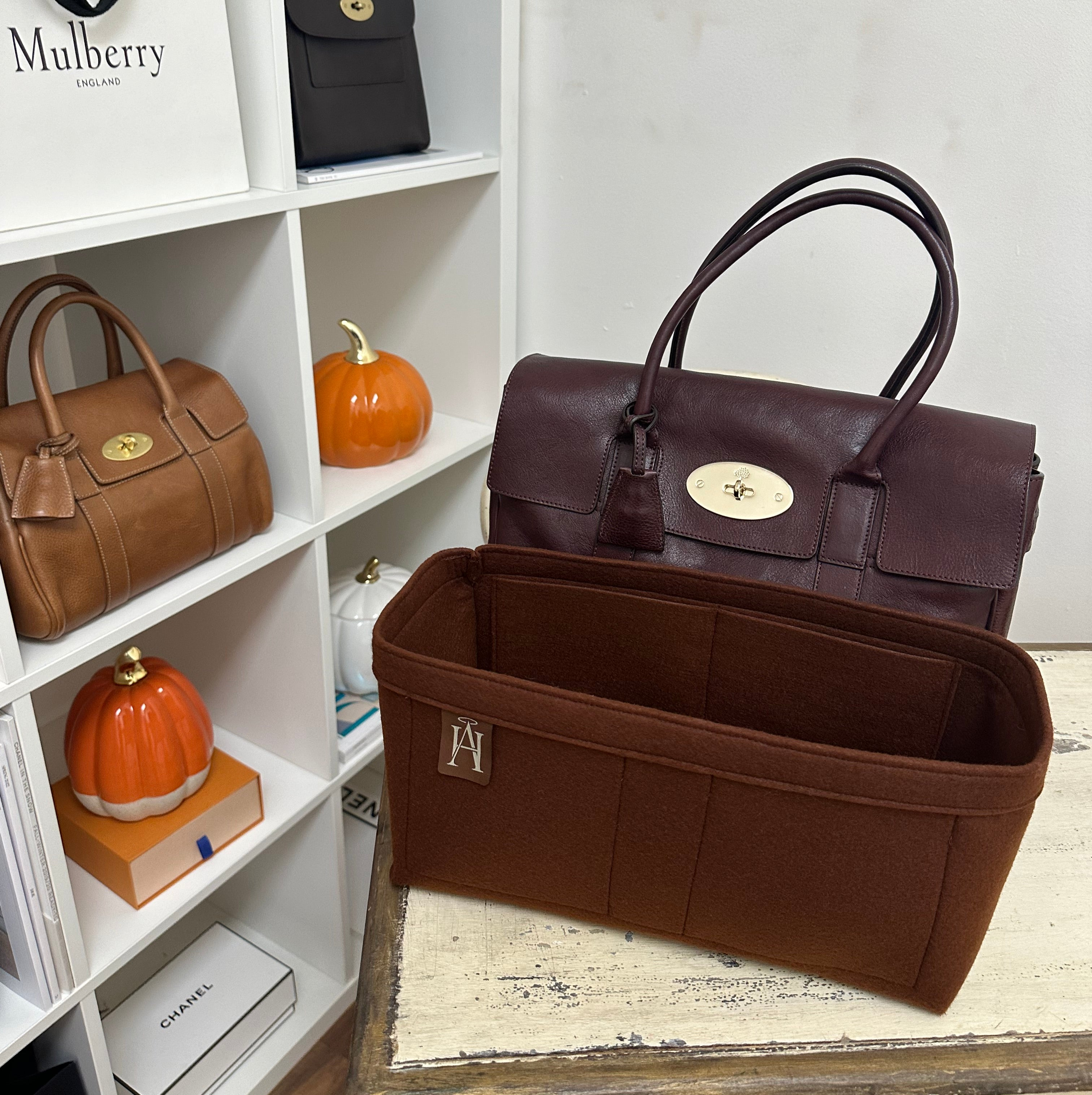
Sagging can happen gradually, with a handbag slowly losing its structure when it is left unsupported for long periods. This is where a handbag cushion comes into its own, providing gentle internal support that helps maintain the handbag's structure without relying on temporary solutions such as paper or loose stuffing.
Whether you own a Chanel Classic Flap or a slouchier hobo style, the principle is the same: consistent support that helps your handbag retain its intended silhouette while in storage.
Seasonal and Long-Term Designer Handbag Storage
Bags used seasonally, such as a beach tote in summer or a structured winter shoulder bag, need a slightly different approach to designer handbag storage than the bag you carry every day. Before putting a seasonal bag away, follow the same preparation steps: empty it, clean it, and check the hardware. Then store it upright, in its dust bag, with a bag pillow insert inside to help maintain the handbag’s shape over time.
It's worth taking bags out every few months, even during long storage, just to let them breathe and check nothing has shifted or marked. A quick check now and then helps ensure your handbags are stored in the best possible condition.

Storing Different Handbag Styles
Not every handbag has the same storage needs. Different shapes and structures require different storage considerations to help preserve their appearance over time.
|
Handbag Style |
Storage Consideration |
|
Totes and shoppers |
Support the sides and base to help maintain their shape. |
|
Structured handbags |
Store upright and use internal support to help maintain their silhouette. |
|
Bucket bags |
Rounded shapes are best supported with inserts that follow their natural curves. |
|
Speedy-style handbags |
Supporting the base helps reduce creasing and maintain the bag's shape. |
Common Storage Mistakes to Avoid
A few common storage habits are worth avoiding to help preserve your handbag's shape and condition:
-
Hanging bags by their handles for long periods. This stretches the straps and pulls at the stitching over time.
-
Storing bags flat on their sides. This may encourage creasing, particularly on structured styles.
-
Leaving bags in plastic bags. Plastic can trap moisture, making breathable dust bags a better option.
-
Stuffing handbags with newspaper. Newsprint can transfer ink onto pale linings.
-
Forgetting about them entirely. A bag left untouched for a year with no support inside is far more likely to have set into an unwanted shape than one checked and refreshed every few months.
Frequently Asked Questions
What is the best way to store handbags at home?
Store them upright where possible, inside a dust bag, with suitable internal support to hold their shape. Keep them away from direct sunlight and damp areas, and give them space so they aren't pressed against one another.
Should handbags always be stored in dust bags?
For most leather and fabric bags, yes. A dust bag protects against surface dust and scratches from nearby hardware. It works best alongside internal support rather than as the only form of protection.
Do handbags need to be stuffed while in storage?
Some internal support helps, but loose stuffing like tissue paper often creates lumps rather than a smooth shape. Purpose-designed storage solutions, including a bespoke handbag cushion, liners and organisers, provide more even, consistent support depending on the style of the handbag.
How often should stored handbags be checked?
Every few months is a sensible habit, particularly for bags in long-term or seasonal storage. It gives the leather a chance to breathe and lets you catch any developing creases or dampness early.
Can the wrong storage really affect a handbag's value?
Yes. Condition plays a significant role in resale value and general wearability, so a bag that's been properly supported and kept away from damp or sunlight is more likely to maintain its appearance over time.
Bringing It All Together
Proper handbag storage is all about consistency. A few thoughtful habits, from storing your handbag in the right environment to using suitable internal support, can help preserve its condition and appearance for years to come.
If you're looking for storage solutions designed specifically for luxury handbags, Handbag Angels offers a range of handbag shapers, liners and accessories created to help care for your collection. You can also explore our reviews or find the right storage solution for your favourite handbag.