
Handbags as an Investment: A Guide to Building a Collection
Luxury handbags have long been associated with craftsmanship, prestige, and timeless style. In recent years, however, they have also gained recognition as valuable financial assets. Many collectors now view handbags as an investment, similar to fine art or rare watches.
The luxury handbag market has expanded rapidly over the past decade. Within the global fashion industry, which is forecast to reach $29.30 billion by 2026, luxury handbags represent one of the fastest-growing segments. Market value is expected to continue climbing too - current estimates have it reaching anywhere between $45 billion and $57 billion by 2033.
For collectors and enthusiasts, this growth highlights a key opportunity. When chosen carefully and maintained properly, certain handbags can retain value or even appreciate over time. Understanding how to build and protect a collection is therefore essential for anyone considering luxury handbags as an investment - and this guide will tell you more about doing that.
Why Handbags as an Investment Are Gaining Popularity
Luxury handbags are increasingly viewed as alternative financial and investment assets. Unlike traditional investments such as stocks or bonds, these items combine financial potential with personal enjoyment.
Collectors are drawn to designer bags because they offer:
-
Strong brand heritage
-
Limited production runs
-
High craftsmanship standards
-
Consistent global demand
In many ways, handbags belong to a category known as “passion assets”, which also includes art, watches, and jewellery.
|
Asset Type |
Why People Invest |
Risk Level |
Why It Is Often Seen This Way |
|
Art |
Cultural value and rarity |
High |
Prices can be highly subjective, with value often tied to taste, provenance, and market sentiment. |
|
Watches |
Limited production and collectability |
Medium |
Value is usually easier to benchmark through brand history, model popularity, and recent resale demand. |
|
Jewellery |
Precious metals and gemstones |
Medium |
Material value offers some baseline support, even though brand and design still affect resale prices. |
|
Luxury handbags |
Brand value and rarity |
Medium |
Strong resale platforms and demand data make values easier to track, but condition and trend shifts still matter. |
While every investment carries risk, iconic handbags often perform well because luxury brands maintain strong demand and controlled production. So, for collectors who appreciate fashion and craftsmanship, handbags can be an investment that offers both aesthetic pleasure and potential financial return.
What Makes a Luxury Handbag Valuable
Not every designer bag will increase in value. Several factors determine whether a handbag has long-term investment potential.
The most influential elements include brand reputation, rarity, and condition.

|
Factor |
Why It Matters |
|
Brand |
Established luxury brands hold value better |
|
Condition |
Well-maintained bags sell for higher prices |
|
Rarity |
Limited editions often appreciate |
|
Materials |
Exotic or premium leather increases value |
|
Demand |
Popular styles maintain resale value |
Celebrity influence and fashion trends can also affect demand. When a particular style becomes iconic, resale prices often rise significantly.
Collectors interested in designer bag investment typically focus on classic models that have proven long-term popularity rather than seasonal designs.
The Best Designer Brands for Investment
Certain luxury brands consistently perform well in the resale market. Their reputation for craftsmanship and exclusivity contributes to strong demand among collectors. The brands to look out for in particular here include:
Hermès
Hermès bags are widely considered the gold standard for handbag investment. Models such as the Birkin and Kelly are known for limited production and exceptional craftsmanship. Some rare editions have achieved remarkable resale prices.
Chanel
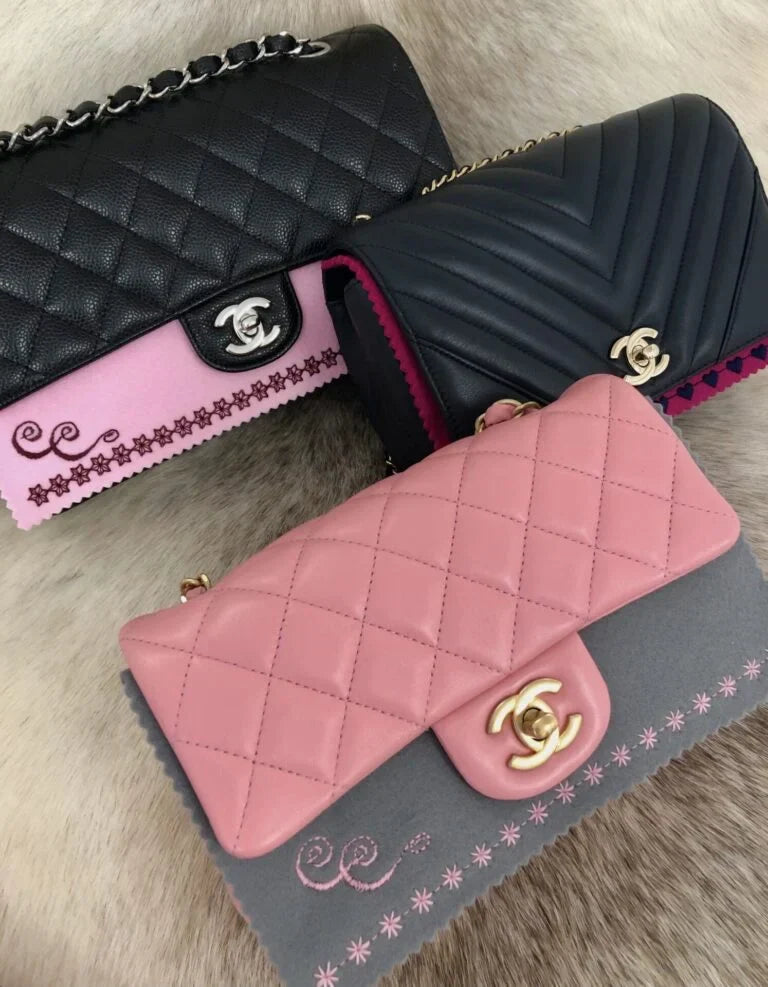
The Chanel Classic Flap remains one of the most recognisable handbags in fashion. Chanel also regularly increases retail prices too, which can in turn lead to a corresponding rise in resale values.
Louis Vuitton
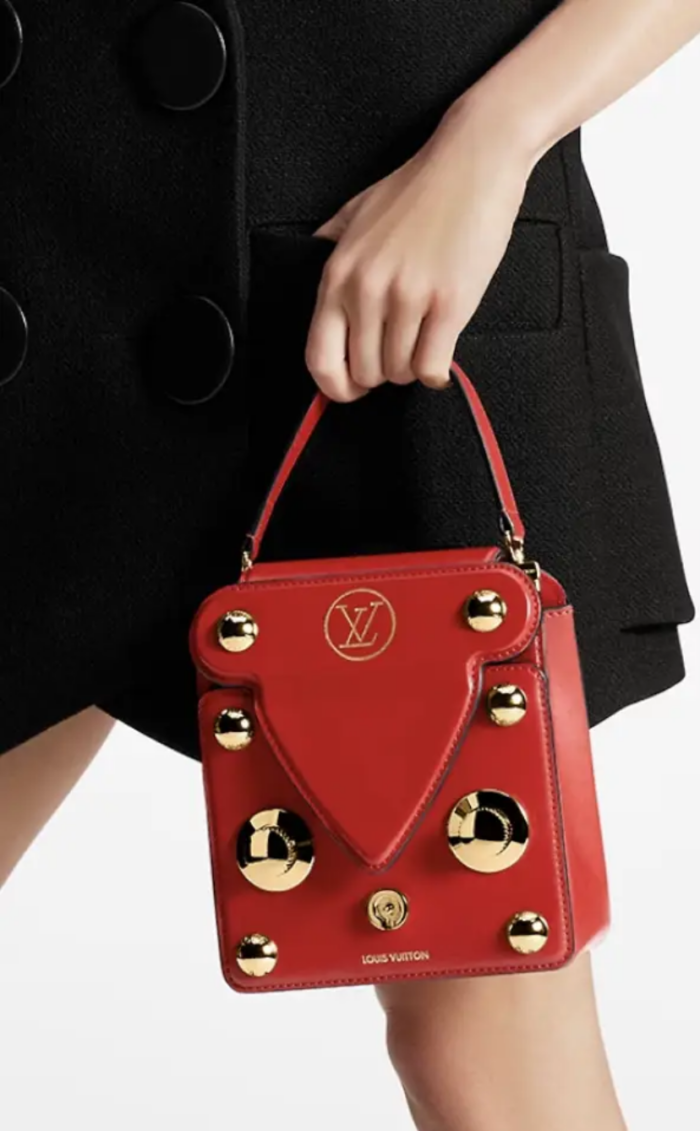
Louis Vuitton produces both timeless classics and limited-edition designs. Rare collaborations and discontinued models can become highly sought-after collector pieces.
Dior
Dior has released iconic designs that maintain strong demand in the resale market. Bags such as the Lady Dior have become staples of luxury collections.
For investors exploring luxury handbags as an investment, these brands often represent the most stable entry points.
How to Start a Handbag Investment Collection
Beginning a handbag investment collection does not require purchasing dozens of bags. Many collectors start with one or two iconic pieces. Maintaining a thoughtful approach can help to minimise risk as you start out on your designer bag investment journey, and key early steps may include the following:
-
Researching brands and classic models well
-
Starting with well-known styles rather than seasonal trends
-
Buying from trusted boutiques or authorised retailers
-
Keeping receipts, authenticity cards, and packaging
Authenticating Designer Handbags
Authentication plays a crucial role in protecting the value of investment handbags because counterfeit products remain a significant concern within the luxury market. It’s important then that collectors do their due diligence before they make a purchase.
When evaluating authenticity, collectors will often examine:
-
Serial numbers and authenticity codes
-
Stitching consistency and craftsmanship
-
Hardware weight and engraving
-
Logo placement and font style
-
Authenticity cards and original packaging
Buying from reputable sellers can also help to reduce the risk of counterfeit purchases, but this alone should not lead to blind faith - you should still do your homework and only buy once you’re satisfied that what you’re getting is the real thing.
The Risks and Rewards of Investing in Luxury Bags
Like any investment, luxury handbags carry both advantages and potential risks.
Potential rewards include:
-
Tangible assets that can be enjoyed and used as long as you own them
-
Strong resale demand for iconic designs
-
Limited production maintaining exclusivity
However, investors should also consider possible challenges:
-
Market trends may change over time and ‘move away from your collection’
-
Counterfeit products can affect resale markets
-
Bags require careful storage and maintenance in order to keep them in the best condition
-
Liquidity is lower compared with financial assets
Understanding these factors and how they can change helps collectors make informed decisions when considering handbags as an investment.
How to Protect the Value of Your Handbag Collection
The condition of a bag is one of the most important factors influencing resale value. Even highly sought-after handbags can lose value if they show signs of wear.
Collectors often follow the following best practices to maintain their bags:
-
Storing handbags in breathable dust bags
-
Keeping them away from direct sunlight and humidity
-
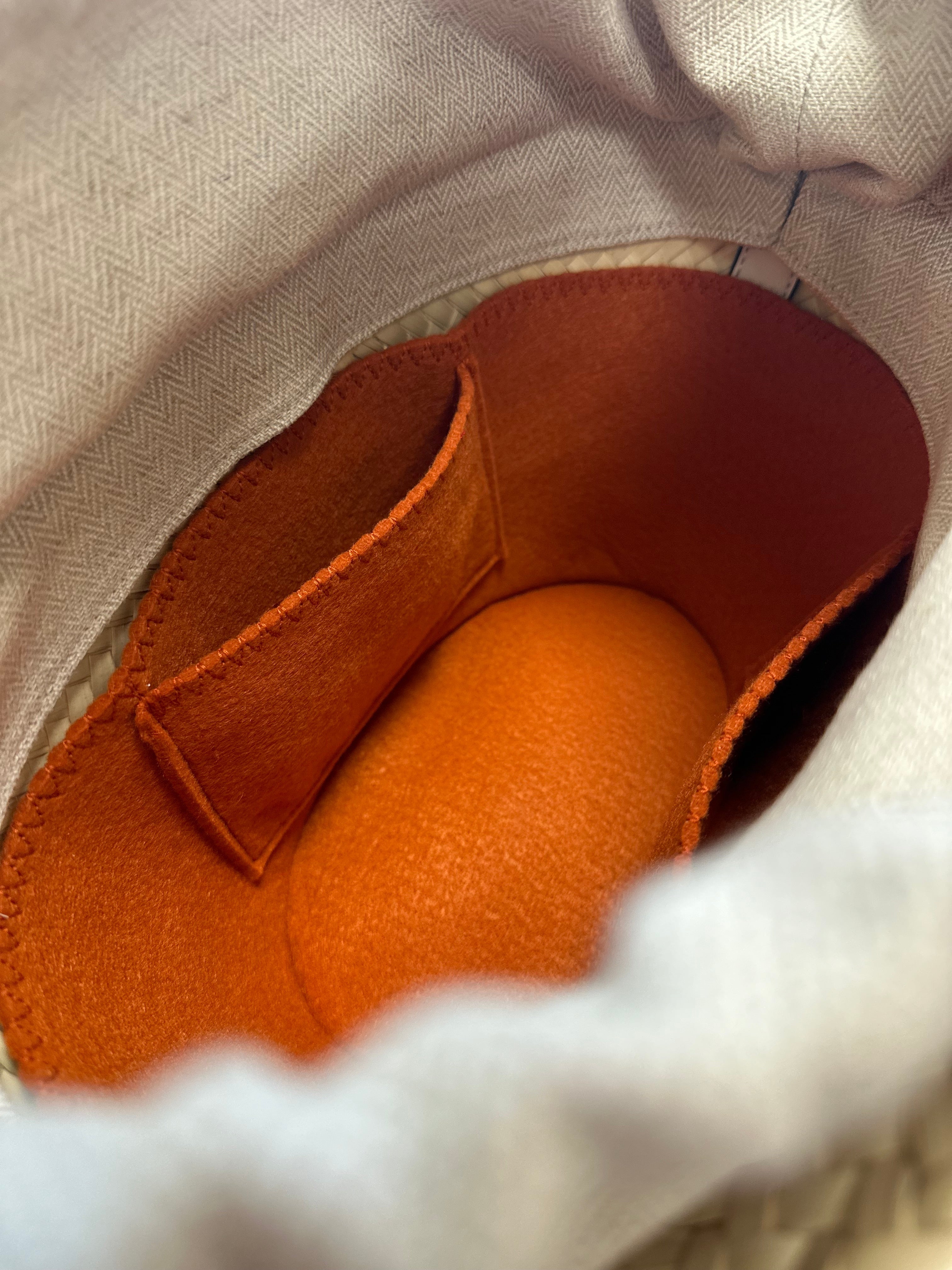
Using handbag liners to protect interiors
-
Maintaining the original shape using cushions or inserts
Proper care is essential for anyone treating luxury handbags as an investment, as well-preserved bags are far more attractive to future buyers. Bespoke organisers and liners can also help minimise scratches, stains, and structural wear. By doing so, these accessories protect while keeping the interior organised. Handbag Angels offers several products like these, including ones dedicated to the five ‘starter brands’ that we mentioned earlier. To view our complete product line-up for these brands, use the links below.
-
Hermès
-
Chanel
-
Louis Vuitton
-
Dior
-
Gucci
Real Examples of Handbags That Have Increased in Value

Several iconic handbags have demonstrated strong resale performance over time, with some styles rising significantly in value thanks to brand prestige, scarcity, and sustained demand.
|
Handbag |
Example of Value Growth |
|
Hermès Birkin |
Often cited as achieving substantial resale premiums over retail. |
|
Chanel Classic Flap |
Frequently noted for strong percentage growth as retail prices rise |
|
Louis Vuitton Limited Edition |
Can see notable appreciation when collaborations or discontinued styles become scarce |
Styles such as the Hermès Birkin, Chanel Classic Flap, and certain Louis Vuitton limited-edition bags are among the most closely watched in the resale market.
Rather than focusing on fixed price figures, it is more accurate to say that some of these bags have seen substantial percentage increases over time, especially when supply remains tight and buyer demand stays high.
These examples illustrate how demand, brand prestige, and rarity influence long-term value. While not every handbag will achieve similar returns, carefully selected pieces can perform well in the resale market.
Future Trends in the Luxury Handbag Market
The luxury handbag market continues to evolve alongside changes in consumer behaviour and technology. Some trends that are currently shaping the future of the handbag investment market include:
-
The growth of luxury resale platforms
-
Increased interest in sustainable fashion
-
The rise of digital authentication technology
-
A move towards greater transparency in resale pricing
To expand a little on a couple of examples here, online resale marketplaces have made it easier than ever for collectors to buy and sell luxury bags globally, and as authentication technology improves over time, confidence in secondary markets continues to grow alongside it.
For investors and fashion enthusiasts alike, these developments reinforce the growing appeal of handbags as an investment within the broader luxury market.
Final Thoughts
Luxury handbags are more than elegant accessories. With thoughtful selection and proper care, they can become valuable assets that combine personal style with long-term potential. Understanding brand heritage, recognising valuable designs, and maintaining excellent condition are all important to preserving their value.
For collectors who appreciate craftsmanship and timeless design, viewing luxury handbags as an investment offers a unique balance between fashion and financial value. By choosing carefully and protecting each piece, a handbag collection can remain both beautiful and valuable for many years to come.
Disclaimer:
The content thus far presented on this page constitutes nothing more than opinion as regards best practices and useful advice, as offered by the Handbag Angels team.
No guarantee of success in regards to investing in designer handbags as a result of following the advice and practices offered on this page is expressly made, nor implied.
If you choose to invest in designer handbags and choose to use the advice on this page as a strategy, then know that the value of your investment can go down as well as up, and that you make such an investment at your own risk.